

Budapest's iconic train station made of LEGO bricks
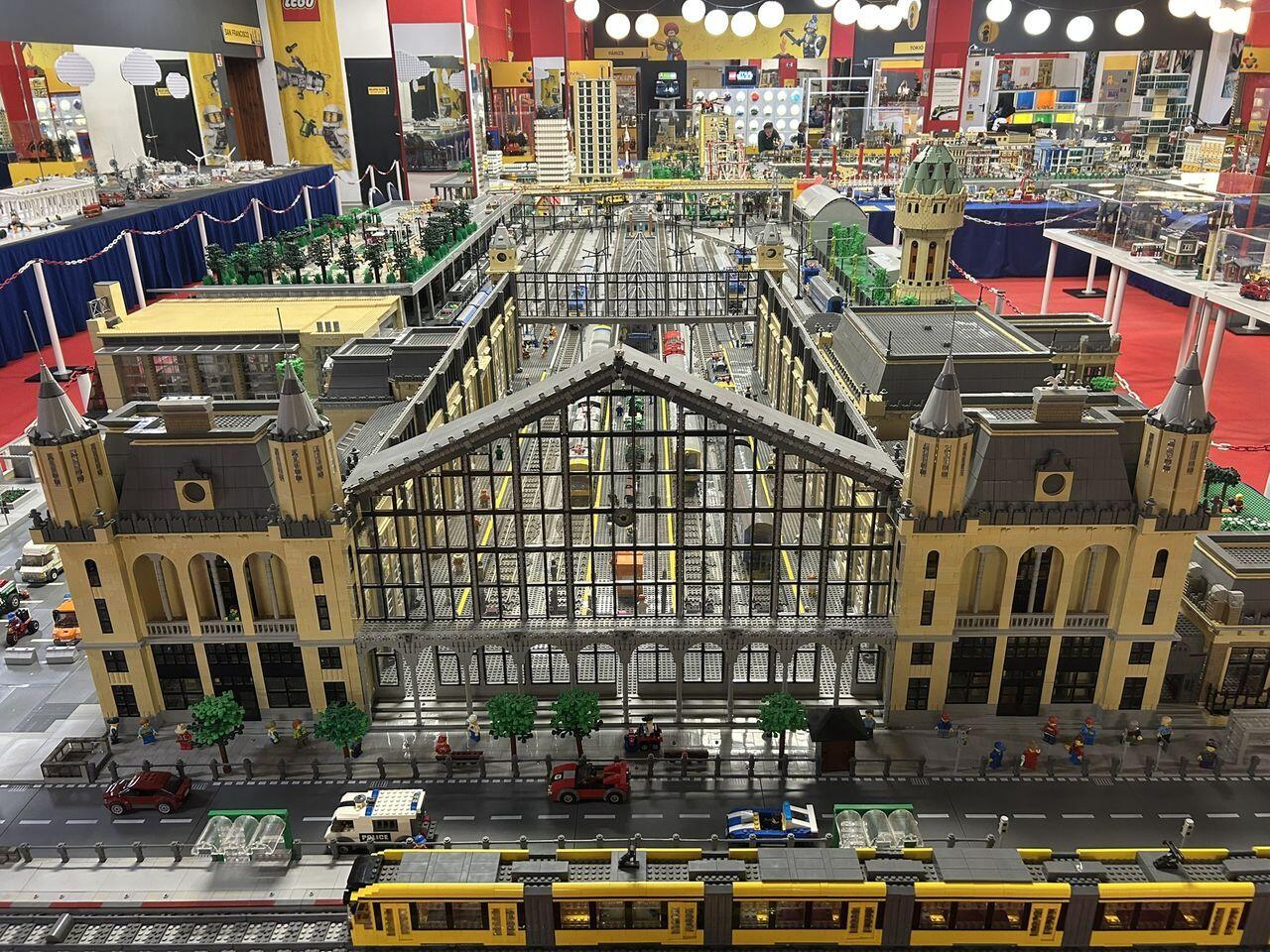
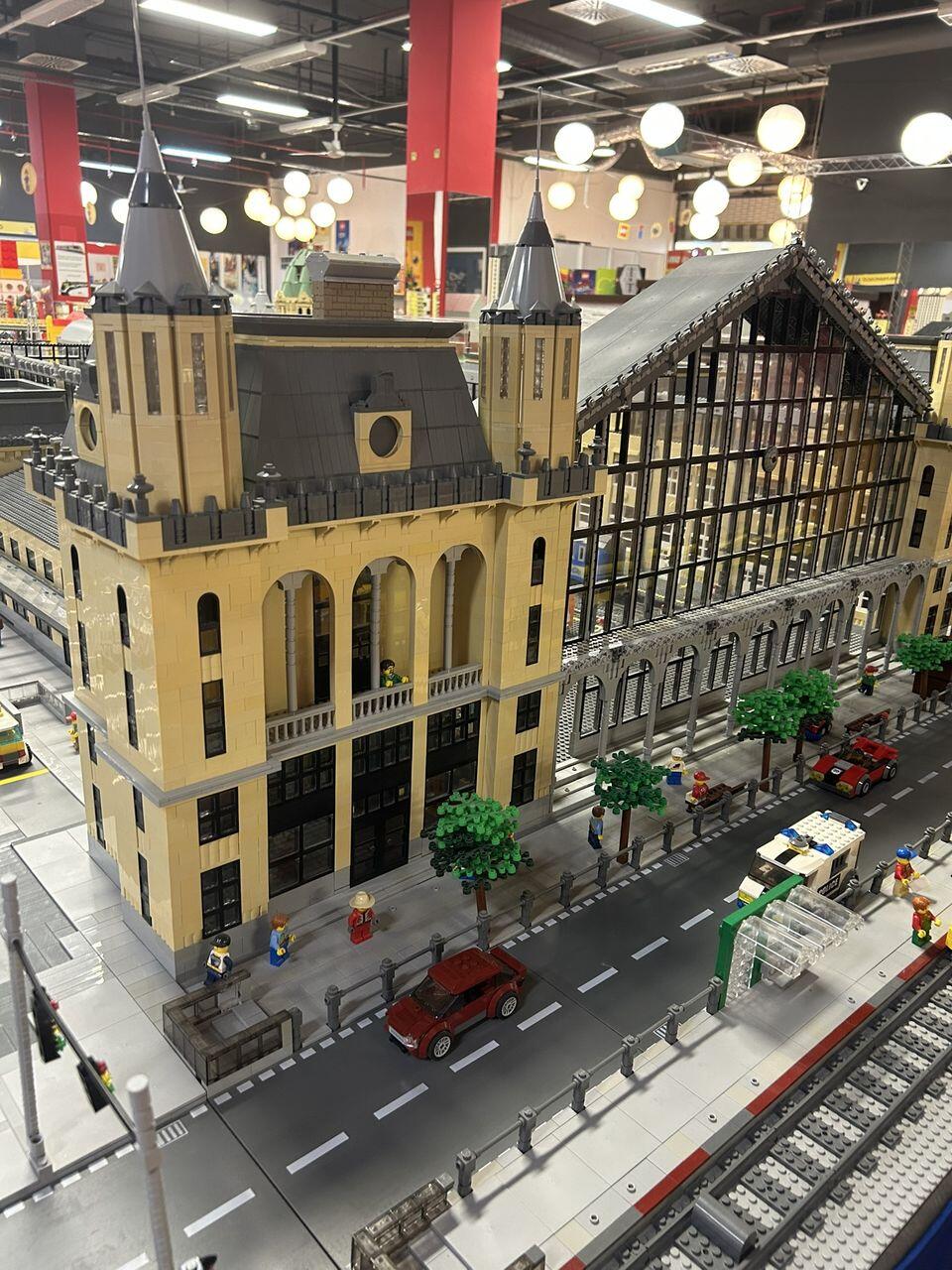
Nyugati Railway Station is not only one of Budapest’s best-known transportation hubs, but also an architectural masterpiece. Now, however, you can experience it from a whole new perspective: built out of LEGO bricks! Zoltán Pikkel spent more than three years working to create a lifelike replica of the train station. The result is a breathtaking diorama that captures the atmosphere of the famous building in every tiny detail.
The history of Nyugati Railway Station is fascinating in its own right, as the building—located next to today’s Grand Boulevard—has been one of the hubs of the capital’s transportation system since the 19th century. Now, however, visitors to KockaPark can relive the atmosphere of the station through a model built from LEGO bricks, complete with moving trains and a detailed diorama.
The LEGO Nyugati Station is the crown jewel of KockaPark
The diorama is one of KockaPark’s largest and most unique attractions, paying tribute to Hungary’s railway history while showcasing the limitless possibilities of LEGO building.
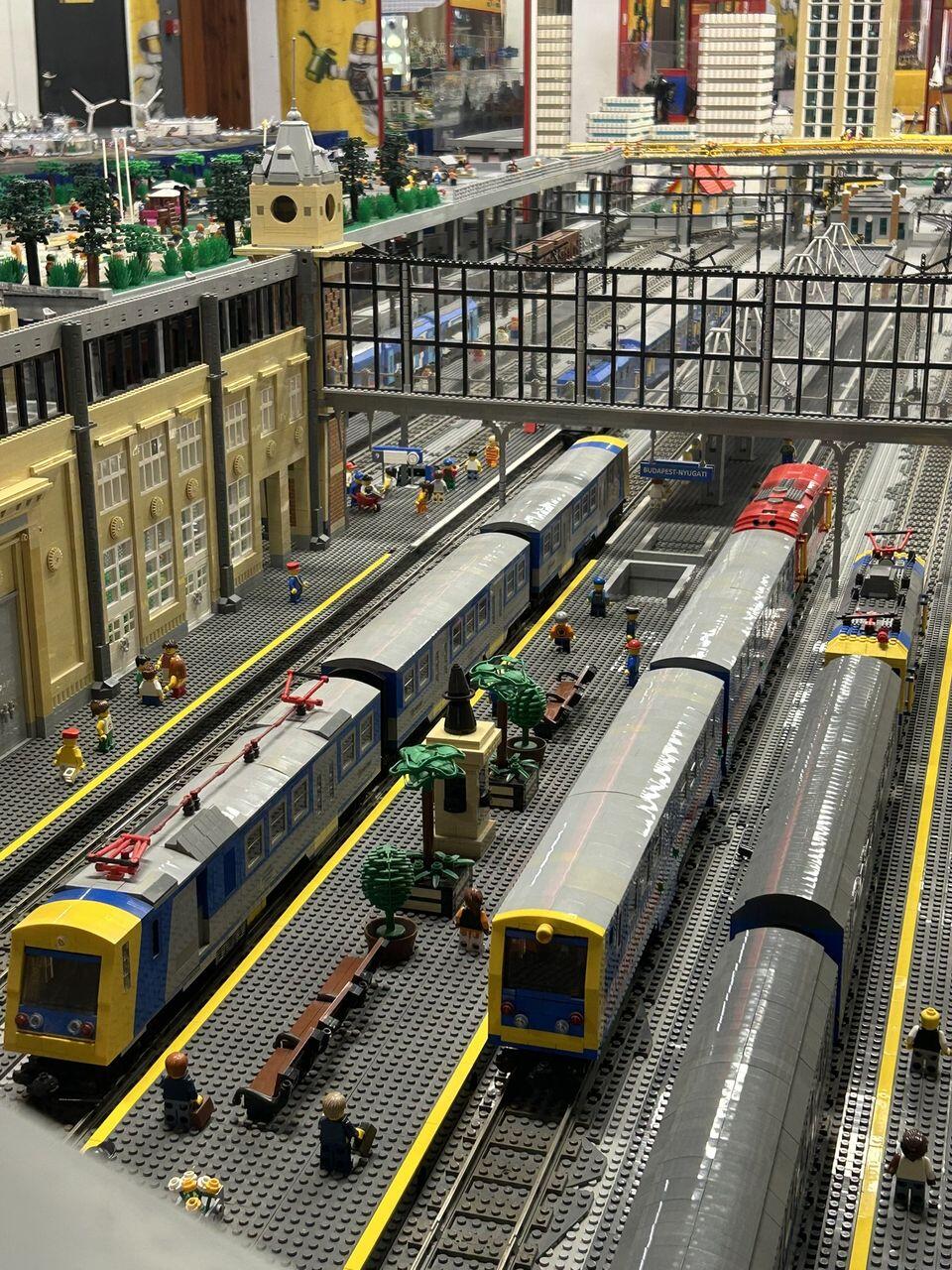
What makes this diorama special is that the trains actually move. The railroad tracks that run around the table are traveled by the Hungarian railway’s distinctive blue and yellow trains, alternating between passenger and freight cars.
The sight of the working LEGO trains is especially enchanting for children, as they feel as if they’ve been transported into the world of a miniature Nyugati Railway Station. KockaPark’s largest play table is constantly expanding and occasionally transformed, revealing new scenes one after another.
A Brief History of Nyugati Station
Nyugati Railway Station is one of Budapest’s oldest railway stations; its predecessor, the Pesti Indóház, opened in 1846. Hungary’s first railway line, connecting Pest and Vác, began here. The Pesti indóház soon proved too small to handle the rapidly growing traffic, so it was decided to build a new station.
The plans for the building, which opened in 1877, were drawn up by the firm of Austrian architect August de Serres and Gustave Eiffel, who later became world-famous for the Eiffel Tower. The iron structure was considered a technical feat in its day, and the station has remained one of the capital’s iconic buildings ever since. It was given the name Nyugati in 1891 following the nationalization of the Austro-Hungarian State Railway Company.
Unique Architectural Designs Made from LEGO Bricks
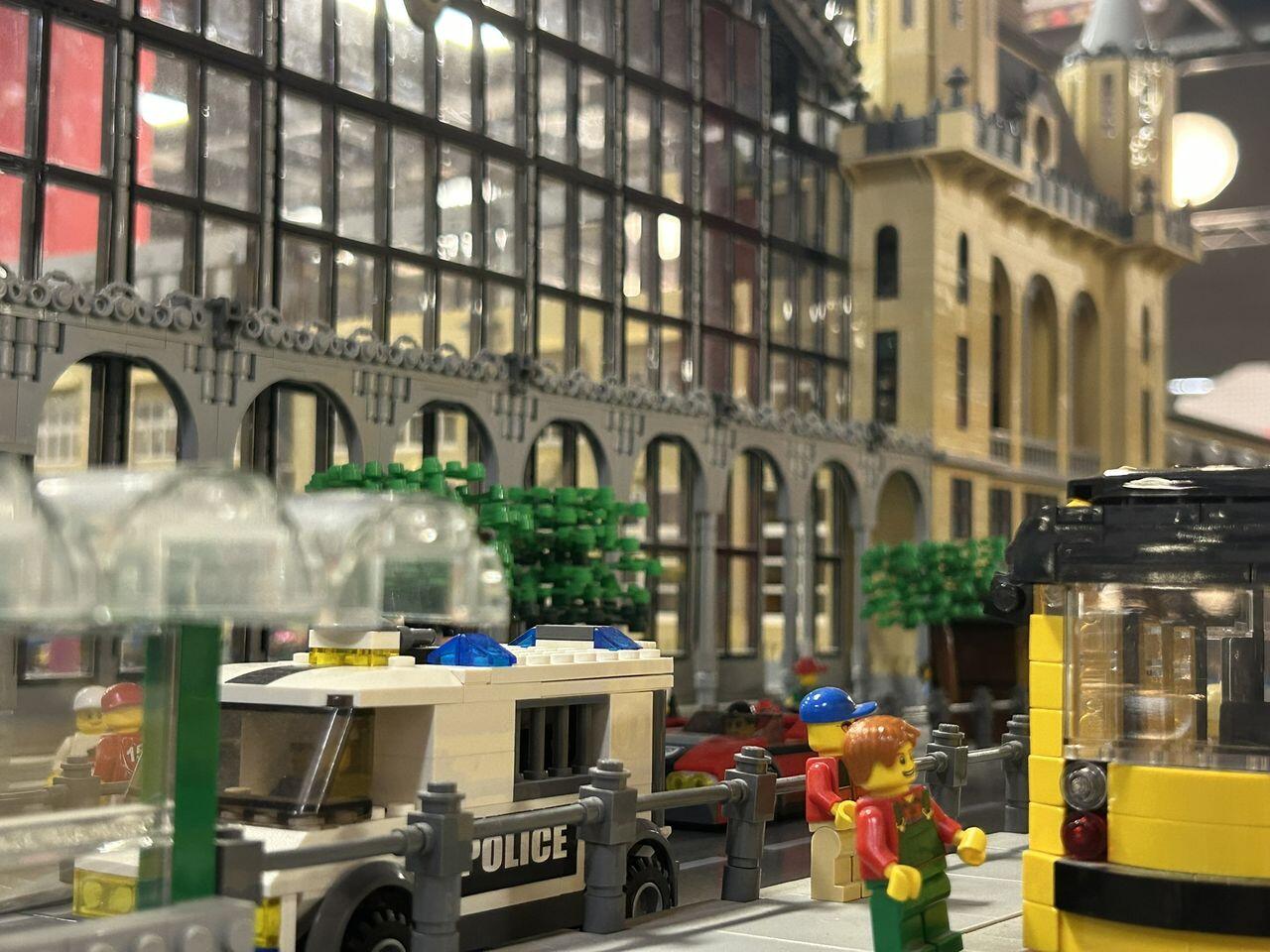
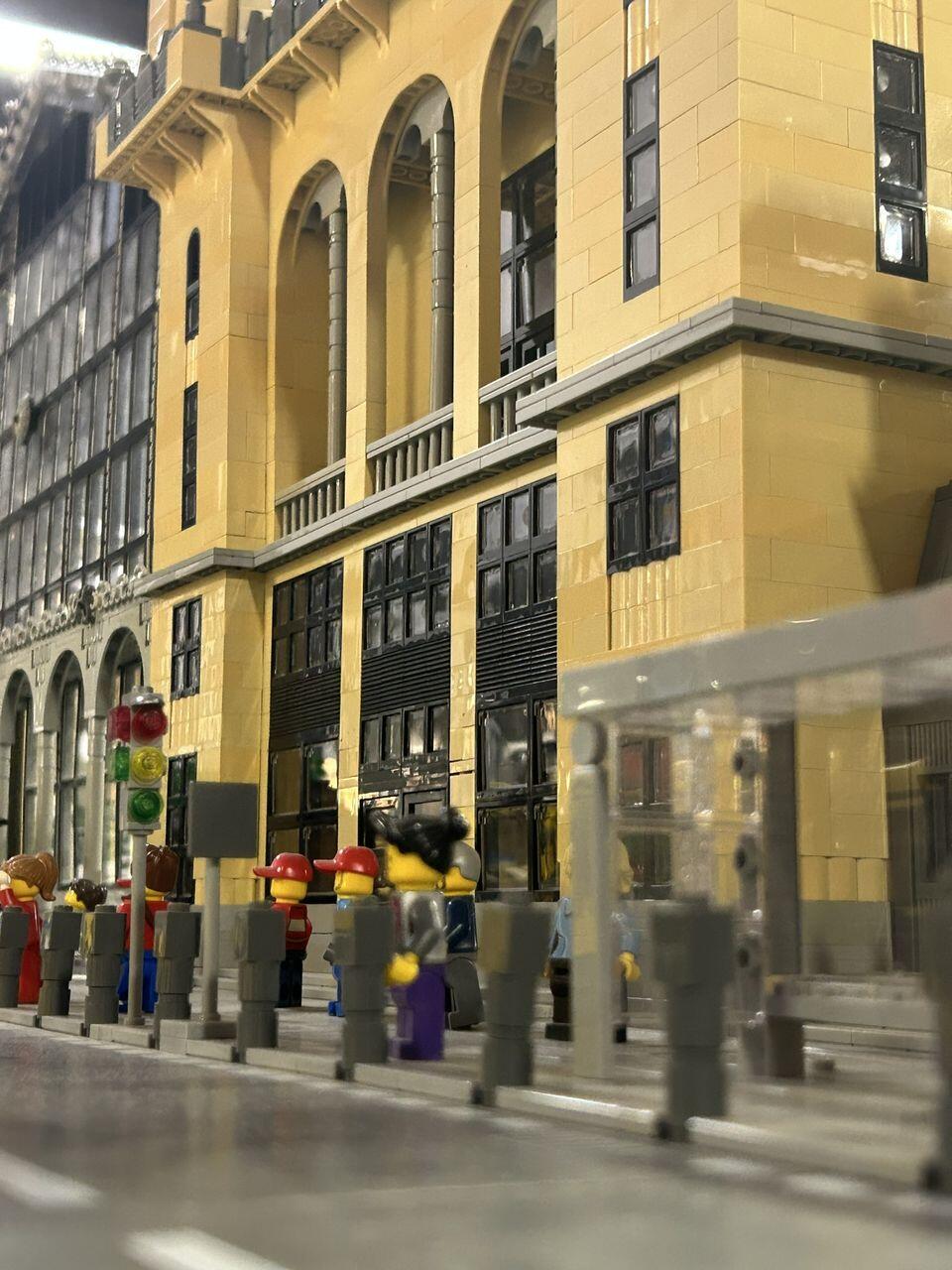
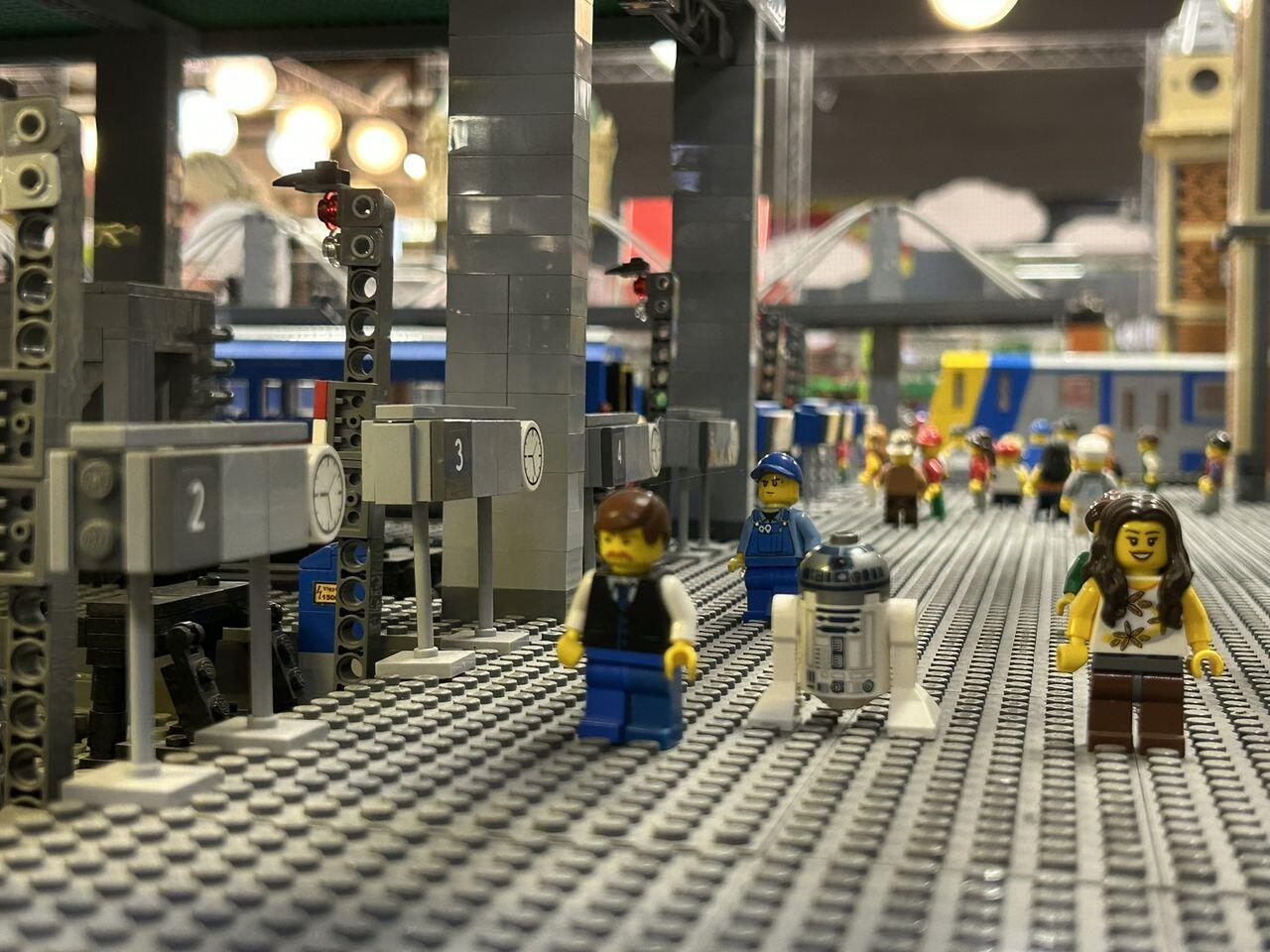
The centerpiece of the diorama is, of course, the monumental hall, which was originally designed by Gustave Eiffel’s company. The LEGO version faithfully captures the vast glass surfaces and the impressive proportions of the iron structure. Inside the hall, trains are lined up, and minifigures on the platforms are waiting for departure—the atmosphere almost comes to life.
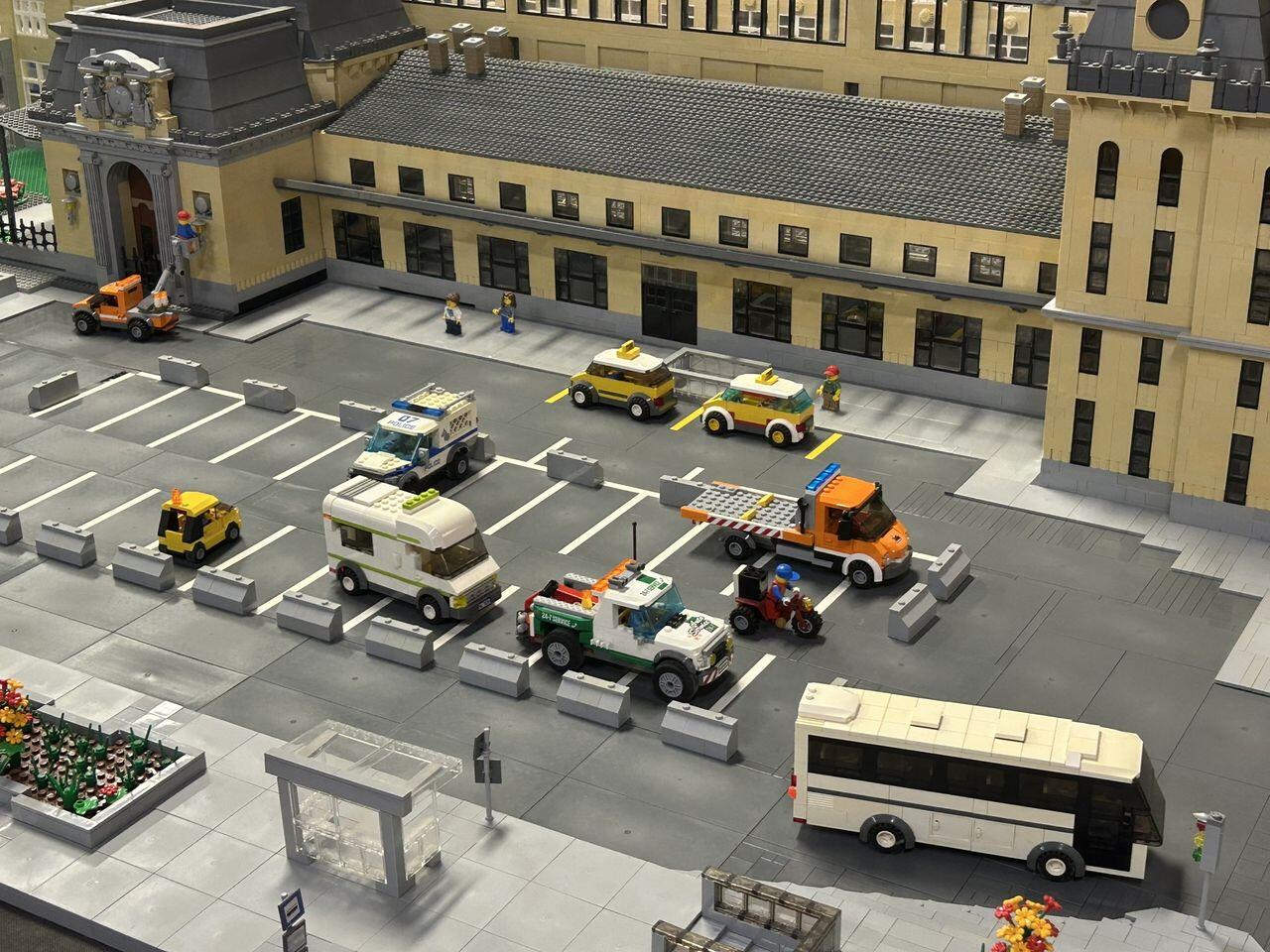
The diorama not only features the main building, but the area surrounding the train station has also been rendered in great detail:
- the facade facing Nagy körút, where we can see people walking and parked vehicles,
- traffic on the street consists of police cars, taxis, and the No. 4 and No. 6 trams,
- the bus stop and parking lot, where the daily hustle and bustle of the city is evident,
- a railway track that looks impressive even from a bird's-eye view, with trains arriving and departing along it.
The Vibrant World of Nyugati Station
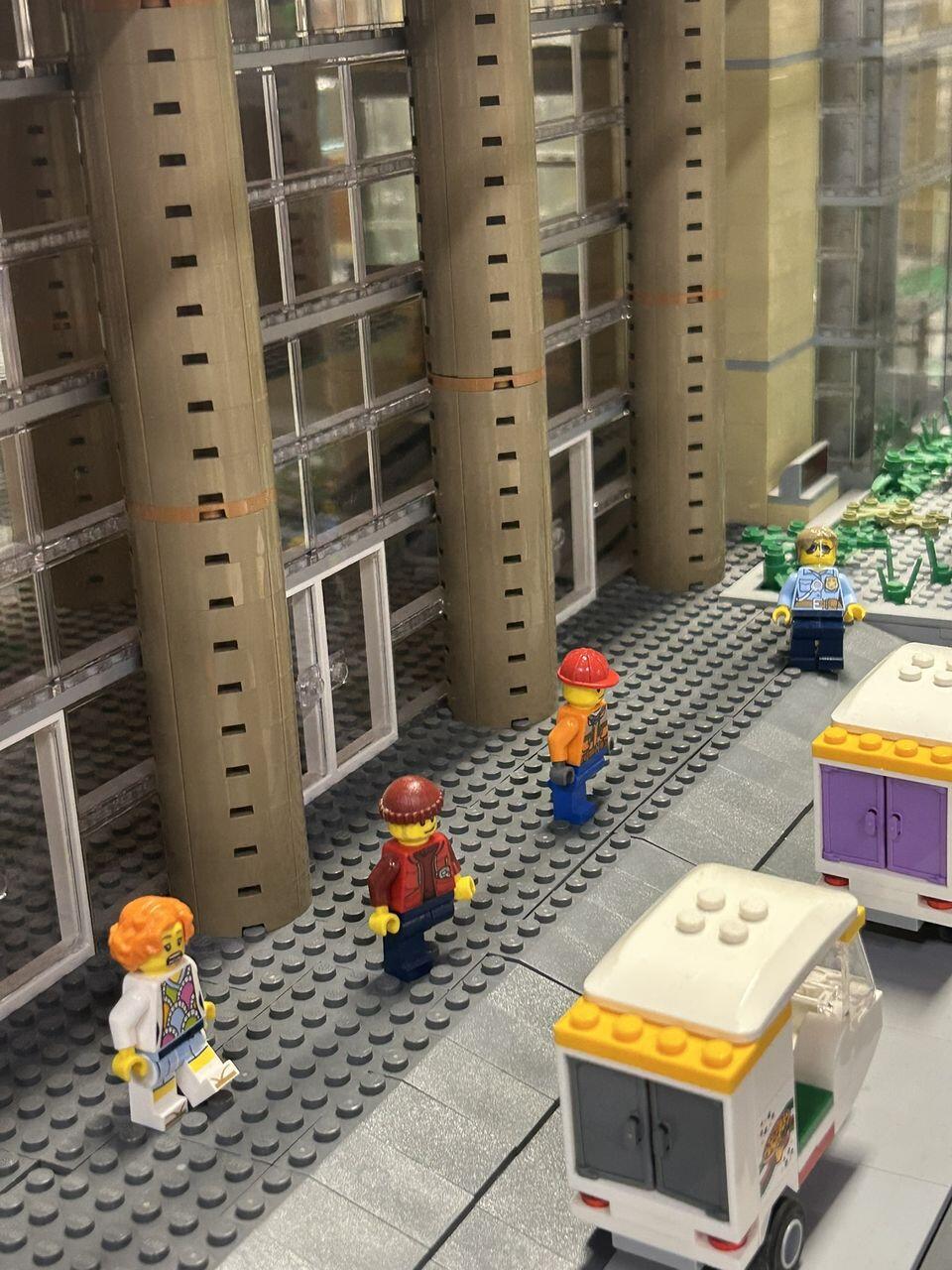
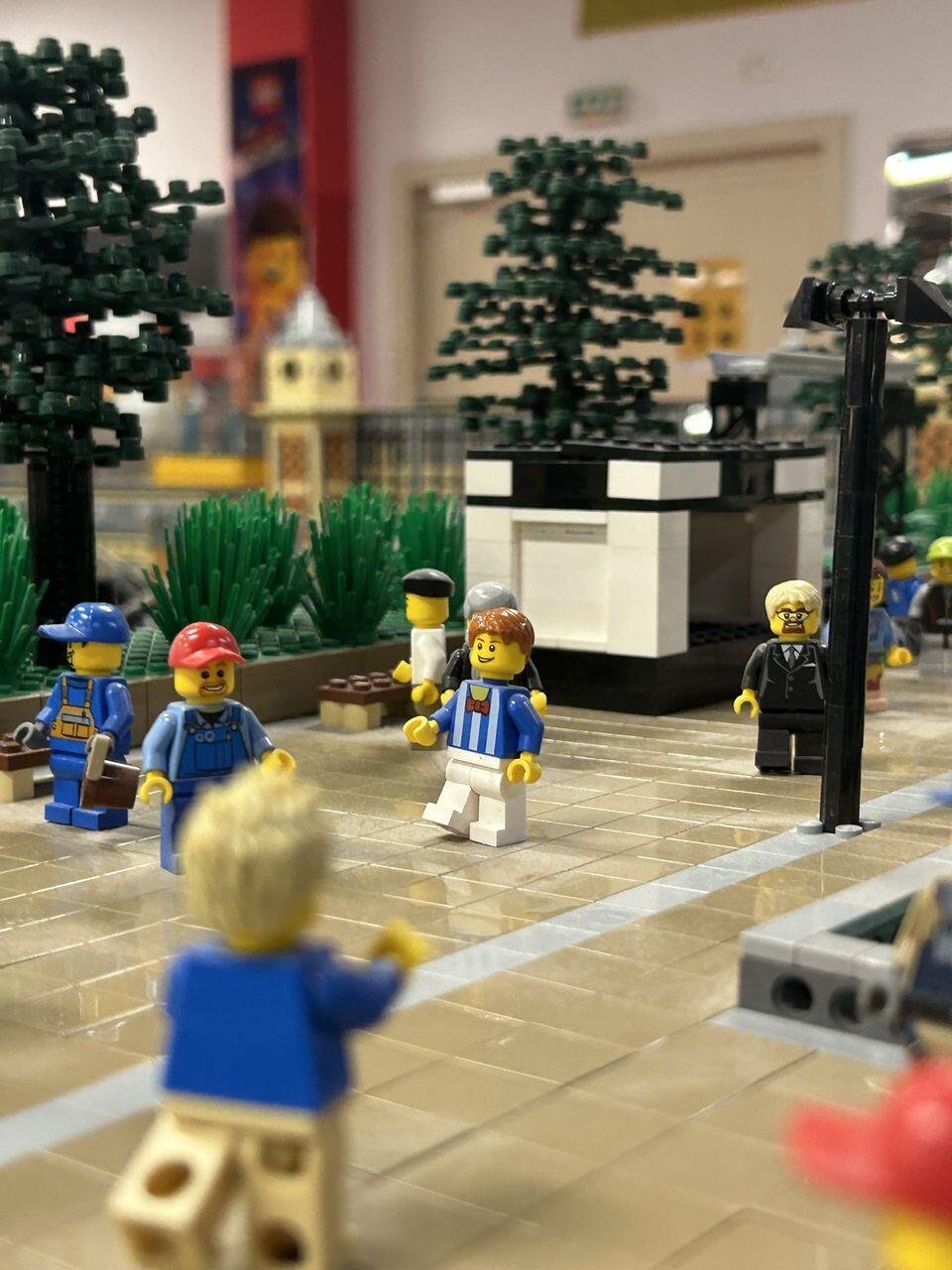
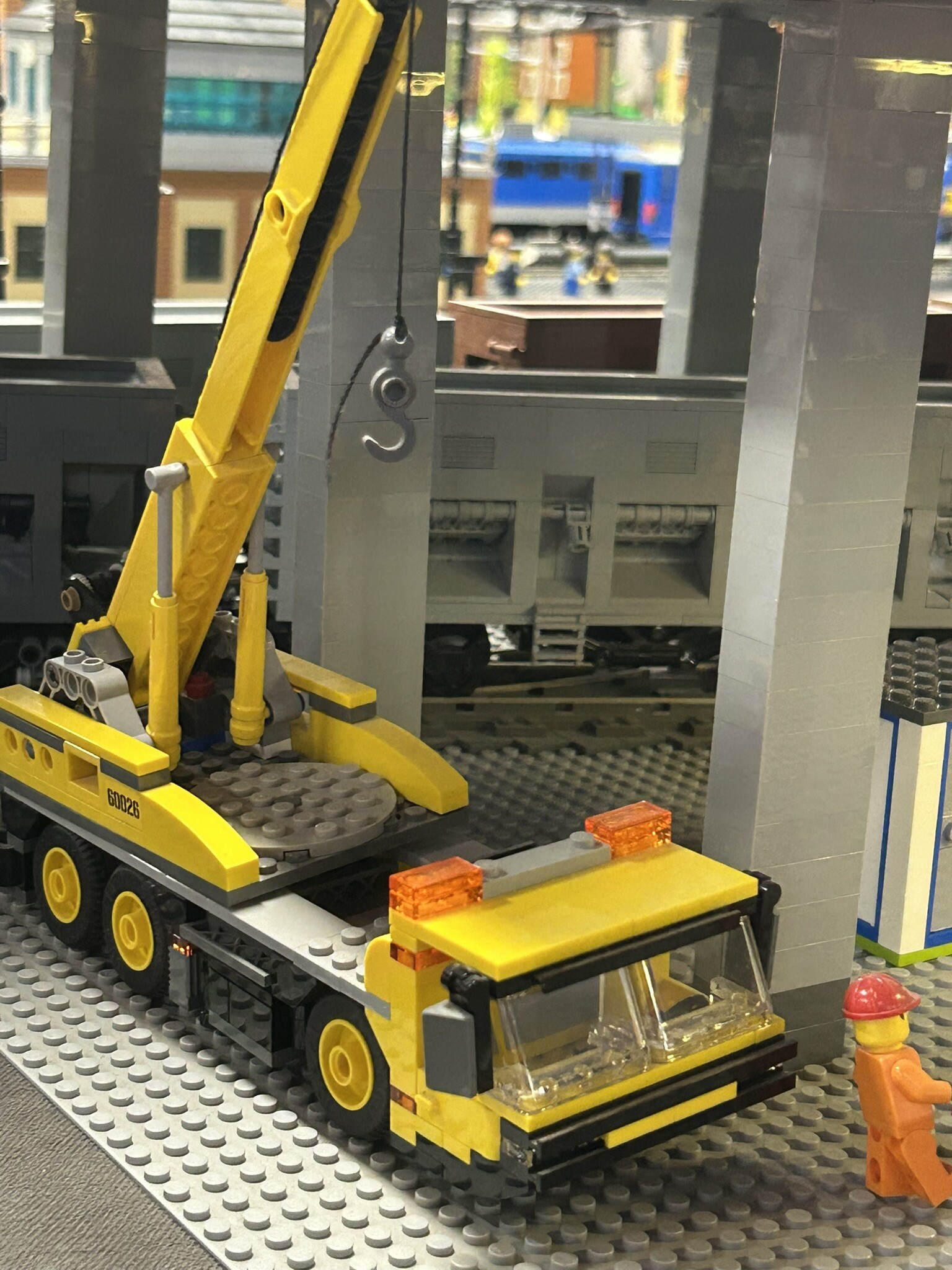
The diorama showcases not only the monumental beauty of the train station building, but also the small moments of everyday life. Passengers wait on the platforms with their luggage, trains line up alongside the tracks ready to depart, while police officers, railroad workers, and ordinary passersby bustle about the station.
The cityscapes also add to the visual appeal:
- Red and yellow cars, buses, and police vehicles are driving down the streets,
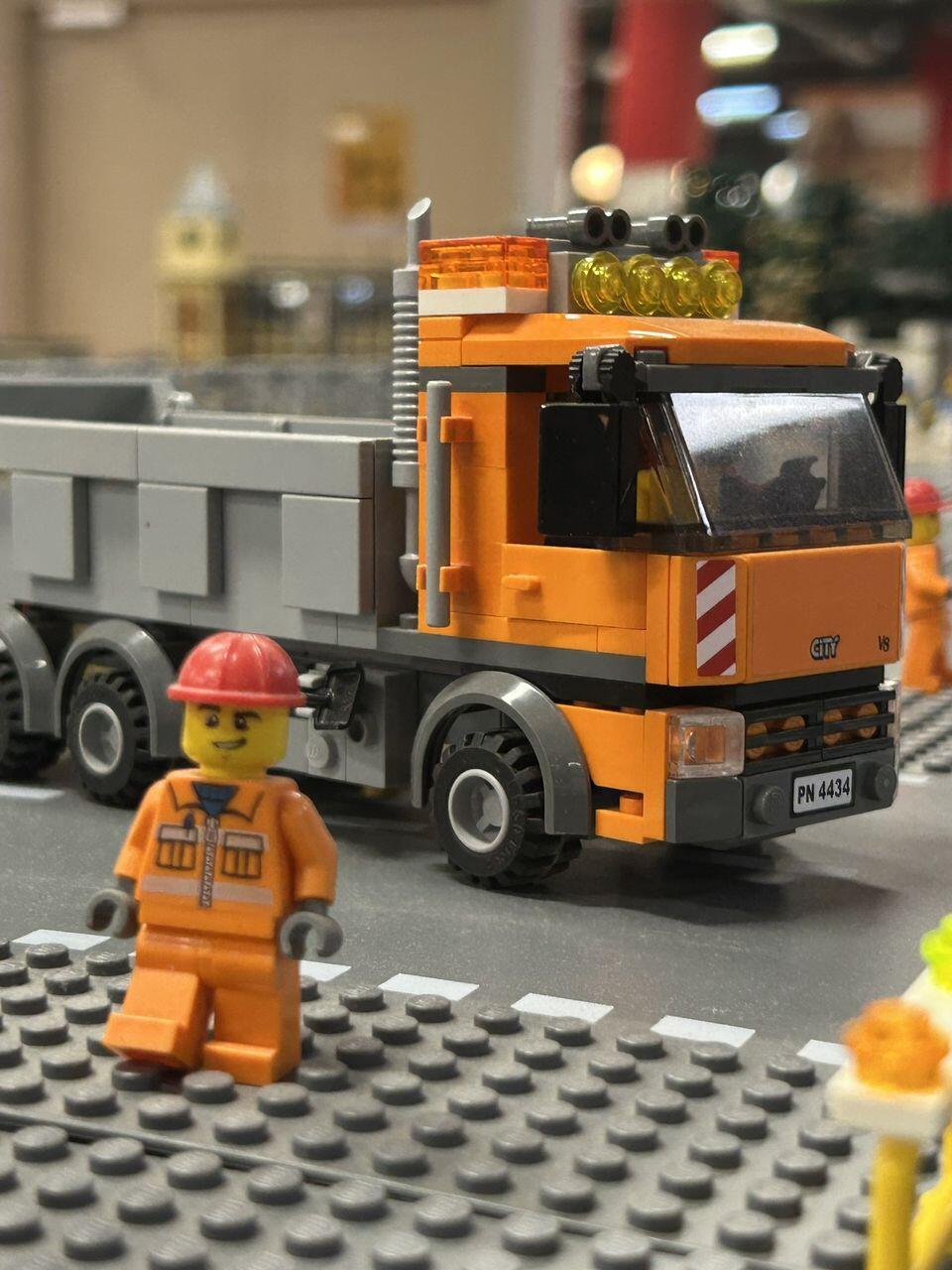
- Minibuses, trucks, and various service vehicles are lined up in the parking lot,
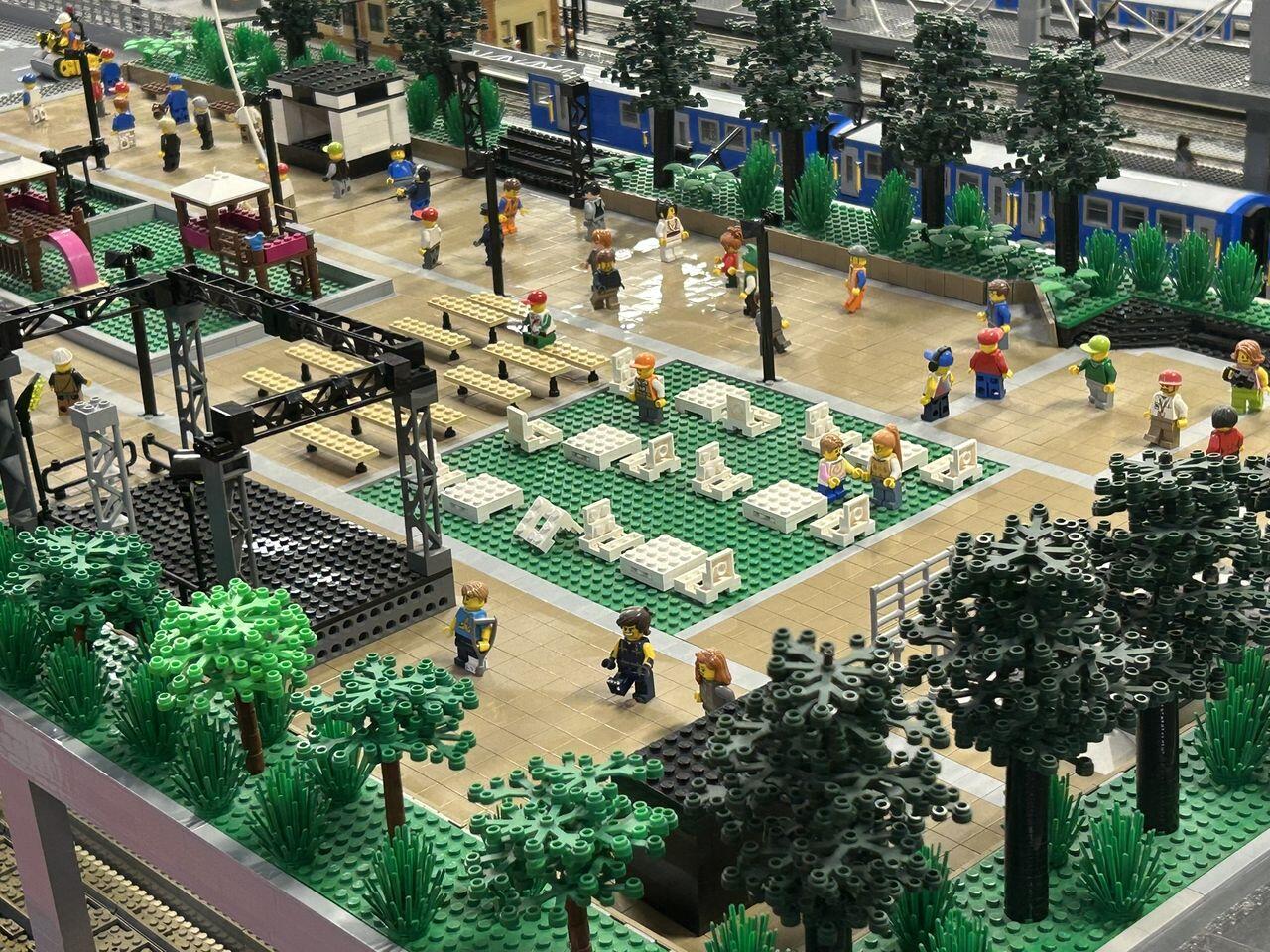
- The square in front of the train station features lush green trees, benches, and a bustling park where LEGO figures chat, play, or simply relax.
Designing the surroundings is just as important as the building itself. The diorama features parks, green spaces, and even an outdoor event area where the minifigures move among the benches and trees.
Why is it worth seeing in person?
It looks spectacular in photos, but the LEGO Nyugati Railway Station truly reveals its beauty in person.
The iconic shapes of this nearly 150-year-old building, recreated with LEGO bricks, create a unique atmosphere. The moving trains, the hustle and bustle on the platform, and the massive hall all contribute to giving visitors a momentary journey back in time to Budapest’s past—from a LEGO perspective.
It really comes to life when you see it in person: the meticulously detailed facade, the tracks and platforms in the station, the trains arriving and departing, and the bustling atmosphere of the city center.
Ticket Prices
KockaPark
child/student ticket
- LEGO® exhibition and playhouse children's and students' day ticket
Purchasing an admission ticket grants access to the KockaPark exhibition area and entitles you to use the games and services available there; however, for some of these (the token-based activities), you must purchase an additional ticket! Admission ticket prices include VAT. At our ticket office, you can pay with cash, credit card, or the SZÉP Card issued by any of the three banks (K&H, MKB, OTP Bank).
With the wristband they receive, our guests are free to come and go as they please if they want to use the restroom or go out for lunch.
Admission is FREE for children under 3 years old!